

日本の食料自給率39%は低い?生産額ベースでは65%。
日本の食料自給率39%は低い?生産額ベースでは65%。
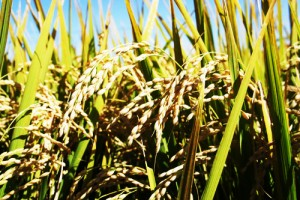
日本の食料自給率は39%です。
低いと言われています。
政府は、カロリーを基に計算した数値を自給率としています。
これは、カロリーの低い野菜や卵などを大量に生産しても、自給率は上がらないことを意味します。
そして、輸入飼料などで育てられた家畜はこの計算に含まれません。
しかし、生産額(価格)ベースでは、65%と高くなります。
国産は価格が高いという意味です。
男は問題は別にあると考えます。
大きな問題は、家畜を育てるのに必要な飼料の大半を輸入に頼っていることです。
輸入飼料が止まれば生産性が著しく低下します。
例えば、
牛肉は自給率41%ですが、国内産飼料を使った場合は11%まで下がります。
同様に、
- 豚肉:54% → 7%
- 鶏肉:66% → 8%
- 卵:95% → 11%
- 牛乳・乳製品:64% → 27%
輸入飼料が止まった場合を考えると、恐怖すら感じます。
今まで通りに食事ができなくなります。
TPPで話がまとまらない理由が理解できます。
この問題を死守しなければ、輸入が止まった瞬間に日本は大混乱に陥ります。
食料品は高騰し、多くの日本人が死にます。
政府には、TPP交渉を頑張って欲しいですね。
日本人の未来の為に!
The food self-sufficiency ratio in Japan is low, is 65% on the weighted based food self-sufficiency ratio.
The calorie-based food self-sufficiency ratio in Japan is 39%.
It is said that it is low.
The government assumes the numerical value that was calculated based on a calorie self-sufficiency ratio.
Even if this produces low-calorie vegetables or eggs in large quantities, it means that the food self-sufficiency ratio is not higher.
And the domestic animal that brought up with import feed is not included in this calculation.
However, on the weighted based food self-sufficiency ratio, it rises with 65%.
It means that the domestic production’s selling price is high.
I think that the problem is the other.
The big problem is to depend on the import feed to bring up a domestic animal.
If the import feed was stopped, the productivity will decrease remarkably.
For example,
The beef is 41% of self-sufficiency ratio, but it will be down to 11% with using the domestic feed.
Similarly,
- Pork: 54% → 7%
- Chicken: 66% → 8%
- Egg: 95% → 11%
- Milk, dairy products: 64% → 27%
I feel fear when I think about the case that stopped import feed.
We cannot eat as before.
I could understand a reason why japanese government is not finished in TPP(means Trans-Pacific Partnership).
if the government do not defend this problem, Japan falls into great confusion at the moment when import feed stopped.
The food price get higher, many Japanese will die.
I want the government to try TPP negotiations hard.
For the Japanese future!